
"Sidamo grading"
1000 article(s) found

Unique Ethiopian Coffee Estate Boutique Coffee Bean Cultivation Location Climate Sea
Ethiopia is home to Arabica coffee, and it is in the forests of the Ethiopian Kaffa region that you can see Arabica coffee growing wild. In Ethiopian, coffee is called Bun or Buna, and coffeebean may be translated from Kaffa Bun. Arabica coffee was discovered early in the Harar area and is likely to come

Introduction of Ethiopian coffee, characteristics of Ethiopian coffee beans
Following caf é (Wechat official account vdailycom) found that Beautiful Caf é opened a small shop of its own Ethiopia is the hometown of Arabica coffee, it is in the forests of the Kaffa region that you can see wild Arabica coffee. In Ethiopian, coffee is called Bun or Buna, and coffee beans (coffeebean) may be turned from Kaffa Bun
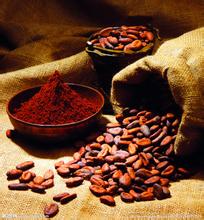
Ethiopian Coffee Culture the Development of Ethiopian Coffee
Ethiopian Coffee has a long History Ethiopian Coffee has a very important history and culture the highest grades of Ethiopian coffee Yega Xuefei G1 G2 Sidamo (Yirgacheffe, Sidamo) are grade 2 and 3 (G2, G3), while sun-processed coffee in eastern Ethiopia is mostly grade 4 or 5 (G4, G5). In many cases, level four coffee is marked as level five.

Individual Coffee beans recommended | Ethiopian Coffee | Sidamo Guji Bildiimoo
Professional coffee knowledge exchange more coffee bean information please follow the coffee workshop (Wechat official account cafe_style) individual coffee bean recommendation-Sidamo Sakuran | Sidamo candle name: Sidamo Guji Sidamo Guji Bildiimoo Lot#2 country: Ethiopia Ethiopia production area: Sidamo Sidamo Guji Guji and other grades: Grade 1

Taste characteristics of Sidamo Coffee in the Sun how much is the grinding degree of Sidamo? how much is it in Sidamo?
Professional coffee knowledge exchange more coffee bean information please follow the coffee workshop (Wechat official account cafe_style) Sidamo coffee beans details: country: Ethiopia Sidamo grade: G1 production area: Michicha, Kelenso Moconissa town, Guji micro-production area, roasting degree: shallow roasting treatment: scaffolding sun drying varieties: Heirloom processing plant: a

Introduction of Sidamo Coffee, description of Coffee Flavor
Follow the caf é (official Wechat account vdailycom) and found that Fairview Cafe opened its own shop [producing country] Ethiopia [producing area] Sidamo [Manor] Hambela manor [variety] native species [altitude] above 1900 meters [treatment] sun elevated drying [baking] shallow [flavor] apricot, honey, plum sweet and sour, smooth taste, green tea tail

How did Sidamo Sakui Coffee come from? how do you grade Sidamo coffee beans?
Communication of professional baristas Please pay attention to Coffee Workshop (Wechat official account cafe_style) Coffee in Sidamo is very diverse in flavor, because different soil ingredients, regional microclimate and countless native coffee varieties make the coffee produced in each town area have obvious differences and characteristics. The Sidamo producing area (Sidama) is located in southern Ethiopia. The industry here is based on agriculture.

Ethiopia washed Sidamo sidamoG2 boutique coffee beans, grading, price, raw beans and roasting degree
For the exchange of professional baristas, please follow the coffee workshop (Wechat official account cafe_style). The Sidamo producing area, which is 1400-2200 meters above sea level, is a famous boutique coffee area in southern Ethiopia bordering Kenya. The washed Sidamo is light green, the beans are small, the growth is oval, the fruit is full, the average quality is good, the smell is fragrant and mellow, one drop in the mouth, no aftertaste.

Full-bodied, spicy Coffee from Cedar Mochizo Coffee Flavor and Manor characteristics
Local small farmers began growing organic coffee in 2001 and work closely with medium-sized coffee producers because they are familiar with how to grow forest coffee in the highlands. It is one of the micro-producing areas with regional characteristics in the Sidamo producing area. The coffee in this region is quite unique, and the coffee produced is often noticed by the market. Ninety Plus's legendary beans (nekisse)

Introduction to the flavor and taste of Ethiopian Arabica coffee
In the field of boutique coffee, there are also five other small places of coffee, namely Lim, Gemma, Le Campdi, Becca and Limmu, Djimmah, Lekempti, Bebeka and Wolega. The most common is Essesidamo or Harald coffee (Either Sidamo or Harrar coffee). Harald Coffee (HarrarCoffee) is made in Essex.

EthiopiaSidamo Grade2 Sidamo refreshing sour coffee powder boutique coffee
Boutique coffee has a rich and beautiful taste. Even if the coffee made of boutique coffee beans is not all fine coffee, it depends on whether it gives full play to the characteristics of coffee beans, whether it has a good taste, if not, it can not be called boutique coffee. The term boutique coffee was first coined by Ms. Knudsen of the United States in Coffee and Tea magazine, when

Yega Xuefei G1 | Flavor of Ethiopian Sidamo region _ Yega Coffee Bean Classification
Although the Ethiopian Yirgacheffe coffee is petite, it is gentle and delicate and sweet. As the hometown of coffee, thousands of years of planting history and processing tradition in Ethiopia have created high-quality washed Arabica beans. Light baking has unique lemon, floral and honey flavors.

A brief introduction to the planting Market Price of Fine Coffee Bean varieties with rich fruity aroma
There is a strict standard for collecting red fruits (as a result of coffee trees). Before exposure to coffee fruits, unripe green fruits or defective fruits are removed manually, and damaged or moldy fruits are removed during the sun drying process. after two weeks, the flesh sugar and essence seeped into the coffee beans, the water content was reduced to 12%, and then scraped off the hardened pulp, pectin layer and pods with a planer to remove the coffee.

What are the functions of Arabica coffee
Following caf é (Wechat official account vdailycom) found that Beautiful Caf é opened a small shop of its own Ethiopia is the hometown of Arabica coffee, it is in the forests of the Kaffa region that you can see wild Arabica coffee. In Ethiopian, coffee is called Bun or Buna, and coffee beans (coffeebean) may be turned from Kaffa Bun

Grading, price, raw beans and roasting degree of sunburned Sidamo Shakiso G1 valley nectar coffee beans
For professional baristas, please follow the coffee workshop (Wechat official account cafe_style) Shakisso, located in the southern part of Guji, Oromia, next to Sidama and Gedeo. There are many pits in this area, which were used to mine gold in the early days, so there are many potholes in this coffee growing area. This makes people in the coffee growing area

A brief introduction to the treatment method of grinding degree and baking degree of Yega Xuefei Adoto boutique coffee beans with wild taste
At first, Yejassefi's coffee trees were planted by European monks (a bit like Belgian monks growing wheat to brew beer), and later by farmers or cooperatives. Yejia Xuefei is actually constructed by surrounding coffee communities or cooperatives, including Edido Idido, Hafusha Harfusa, Hama Hama and Biloya near Misty valley in Fog Valley, all washed with water.

A brief introduction to the description of the flavor and aroma characteristics of coffee beans with wild taste.
The highest grades of Sidamo (Yirgacheffe, Sidamo) are Grade 2 and Grade 3 (G2 and G3), and most of the sun-processed coffees in eastern Ethiopia are Grade 4 or Grade 5 (G4 and G5). In many cases, level 4 coffee is marked as level 5 in order to reduce taxes. At present, the grading is not uniform and messy, because there are primary and secondary sun processing (Grand G).

A brief introduction to the history and culture of the origin, development and development of Yega Xuefei Adoto boutique coffee beans with excellent taste.
It has become one of the best quality beans in the world, thanks to its exquisite washing technology. Since the 1970s, this area has become the most popular water-washed bean producing area in Egypt. However, in the past two years, Yejia snow coffee is unusual, frequently launched amazing sun beans, and become a boutique market Deep-Fried Chicken! In the sun, the beans are small, neat, short and round, Ethiopia Day
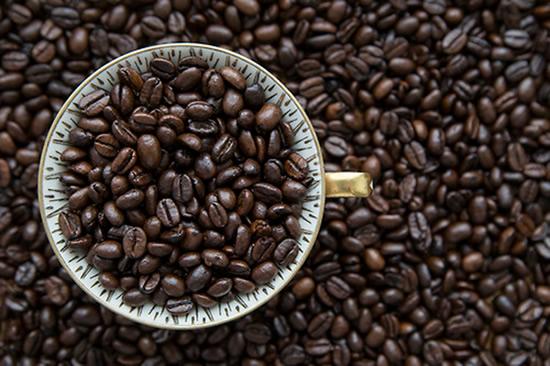
Ethiopian coffee beans characteristics, Ethiopian coffee grades
Pay attention to coffee reviews (Weixin Official Accounts vdailycom ) and find a beautiful cafe to open its own shop Ethiopian coffee beans are divided into five levels. The first and second stages are water-washed beans. Grade1 means 0~3 defective beans per 300 g of raw beans;Grade2 means 4~12 defective beans per 300 g. Gradc Grade 1 washed beans are extremely rare and generally difficult to buy.

Introduction to the regional treatment method of taste production in BISHAN flavor description of hambela Manor in Ethiopia
Introduction to the Regional treatment method of BISHAN Flavor description of hambela Manor in Ethiopia in Ethiopia, the grading and quality control system of coffee is divided into three levels: producer, regional and national. All coffee is inspected by local inspection agencies before leaving the country of origin, and then re-inspected at the coffee inspection and grading centers in Addis and Diredawa to determine its quality, etc.